Exactly How Steel Spreading Forms the Future of Cutting-edge Product Design and Development
Steel spreading is becoming an essential force in the domain name of product design and growth. Its capacity to develop detailed geometries and light-weight structures supplies developers new avenues for innovation. Coupled with innovations in innovation and a focus on sustainability, steel spreading techniques are advancing. This advancement questions about the future trajectory of layout throughout markets. What ramifications will these changes have for both customers and suppliers alike?
The Advantages of Steel Casting in Item Development
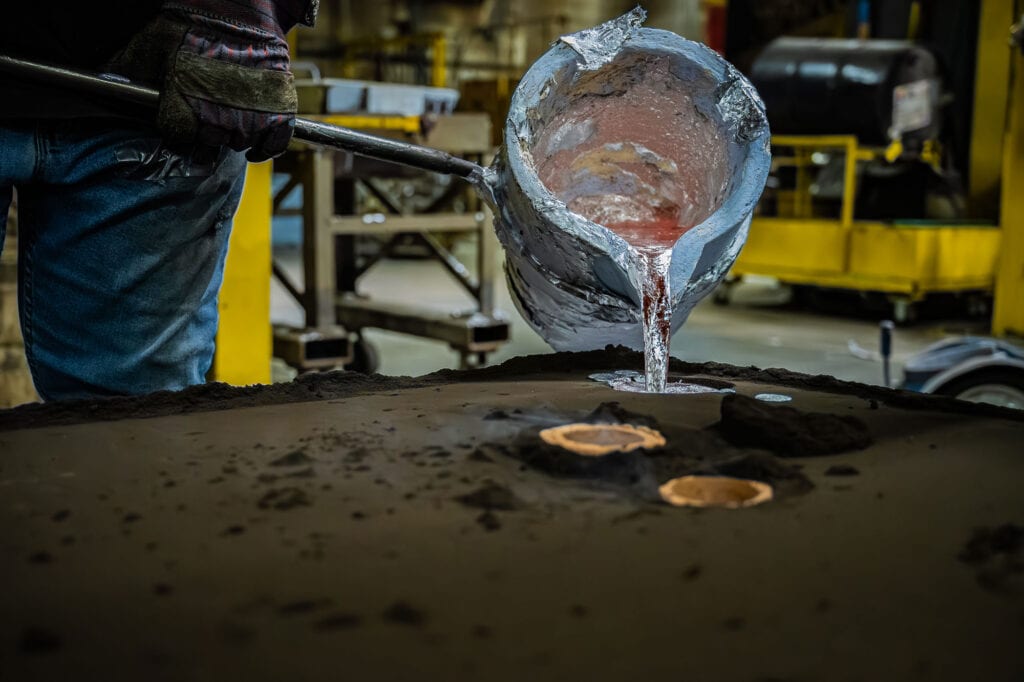
While various production methods exist, metal casting stands apart for its one-of-a-kind benefits in item development. This method enables the creation of complicated shapes and detailed styles that may be impossible or challenging to accomplish with various other procedures. The versatility of metal casting allows making use of different materials, including aluminum, bronze, and iron, offering developers with a wide variety of alternatives to meet certain requirements. Furthermore, steel casting is cost-efficient for both big and tiny manufacturing runs, as it minimizes material waste and reduces the requirement for extensive machining.
The resilience and strength of actors metals add to the durability of the last items, making them ideal for demanding applications. The capability to create huge parts in a single piece minimizes setting up time and boosts architectural integrity. Generally, steel spreading offers as a basic technique that supports technology and efficiency in product advancement across countless sectors
Innovative Applications of Steel Casting in Numerous Industries
Metal casting plays a considerable duty in different markets, showcasing its innovative applications past traditional production. In the automobile sector, for instance, steel casting enables the manufacturing of lightweight yet long lasting components, boosting fuel performance and efficiency. Aerospace markets utilize innovative casting methods to create complicated parts that satisfy strict safety and security and weight requirements, facilitating the development of sophisticated aircraft layouts.
In the power market, metal spreading is necessary for manufacturing wind turbine elements and architectural components that hold up against severe conditions. The clinical area take advantage of personalized spreadings for medical instruments and prosthetics, permitting accurate customizing to specific client requirements. In addition, the creative market employs steel spreading to create elaborate sculptures and decorative things, merging innovation with creativity. These varied applications show just how metal spreading not only supports standard manufacturing but also drives advancement throughout numerous fields, leading the way for new products and remedies.
The Function of Sustainability in Steel Casting Practices
As sectors progressively focus on environmental obligation, the combination of sustainability right into steel spreading methods has become vital. This change is driven by the requirement to decrease waste, save power, and limitation greenhouse gas emissions. Several factories are adopting recycled products, making use of scrap steel to reduce the demand for virgin sources. Additionally, improvements in power efficiency are being carried out, such as making use of electrical furnaces and maximizing warm recovery systems.
Water usage is another centerpiece, with methods focused on reducing intake and guaranteeing appropriate treatment of wastewater. The application of green binders and coatings is gaining traction, decreasing dangerous emissions throughout the spreading process. By welcoming these lasting methods, the metal spreading sector not only improves its ecological footprint however likewise fulfills the enhancing customer demand for ecologically accountable items. This placement click here with sustainability concepts placements steel casting as a forward-thinking sector in the domain name of innovative item design and growth.
Innovations in Steel Casting Modern Technology
The evolution of steel casting innovation is very closely linked to the market's commitment to sustainability, cultivating developments that boost effectiveness and product high quality. Current improvements consist of the growth of innovative materials such as lightweight alloys, which improve strength-to-weight ratios while decreasing total product usage. In addition, techniques like 3D printing and additive production have gained grip, enabling for a lot more complicated geometries and reduced waste throughout the manufacturing procedure.
Automation and robotics have structured casting operations, decreasing human error and maximizing production speeds. Enhanced simulation software program additionally plays an important function by forecasting spreading flaws prior to they happen, thus decreasing rework and scrap prices. These technical enhancements not only support lasting practices however additionally empower designers to explore brand-new creative avenues, eventually bring about even more innovative and eco-friendly items. The recurring integration of these improvements remains to shape the landscape of steel spreading, making it a pivotal component in product design and development.
Future Patterns in Item Design Driven by Metal Spreading
While technologies in steel casting modern technology lead the method for future patterns in product layout, developers are significantly harnessing these innovations to develop a lot more lasting and reliable products. The assimilation of 3D printing with steel casting makes it possible for the manufacturing of complicated geometries that were previously unattainable, enabling lightweight yet sturdy designs. Additionally, using recycled steels is acquiring traction, aligning with global sustainability objectives and lowering the environmental effect of production.
Additionally, advancements in simulation and modeling software allow developers to anticipate how products will certainly behave under numerous problems, bring about optimized layouts with decreased waste. Metal Casting. Modification is likewise becoming a centerpiece, as metal spreading methods permit individualized items without considerable price rises. As these fads proceed to develop, the cooperation between designers and metal spreading specialists will likely foster cutting-edge services that accommodate both functionality and aesthetic appeal in future item designs
Frequently Asked Inquiries
What Materials Are Frequently Used in Metal Casting Processes?
How Does Metal Casting Contrast to 3D Printing in Item Layout?
Steel casting provides toughness and scalability, perfect for mass production, while 3D printing excels in quick prototyping and modification. Each technique provides one-of-a-kind benefits, influencing style selections based upon job requirements and preferred end results.
What Industries Benefit Many From Steel Spreading Innovations?
Automotive, aerospace, and production markets benefit most from steel spreading developments. These industries utilize progressed metal spreading techniques for creating intricate elements, boosting performance, lowering weight, and enhancing material residential properties, ultimately bring about much more effective manufacturing processes.
How Do Metal Casting Strategies Differ Across Different Societies?
Steel casting techniques vary substantially throughout societies, influenced by local materials, customs, and technical advancements. As an example, Eastern cultures usually stress intricate styles, while Western practices might focus on efficiency and mass production methods.
What Safety And Security Procedures Are Essential During Steel Spreading Workflow?
Important precaution during steel casting operations consist of correct air flow, personal protective devices, fire safety and security methods, risk communication, and normal training. Aluminum Casting. These safety measures help lessen risks associated with high temperatures, poisonous fumes, and possible tools malfunctions